

Supporters often argue about a new jersey after it appears. Hertha BSC has asked a different question: which parts of the shirt should be agreed before the next design begins?
The Hertha kit manifesto, announced by the club on 22 October 2026, sets a shared framework for future home, away and third jerseys. Members, supporter representatives and club staff contributed to the process.
It turns a familiar complaint — that a shirt no longer feels like the club — into a practical discussion about design boundaries. And with a related proposal heading to a November members’ meeting, the subject has a clear next chapter.
Looking for Hertha BSC jerseys?
Send a reference photo, season and preferred size to Al'sportswear. We’ll check sourcing options; availability and a final quote must be confirmed before ordering.
⚽ Request Any JerseyA Framework for Identity, Not One New Shirt
The manifesto is not simply another launch announcement. It concerns the principles used to develop future kit. Hertha’s official explanation connects those principles with club colours, history, Berlin identity and contemporary design.
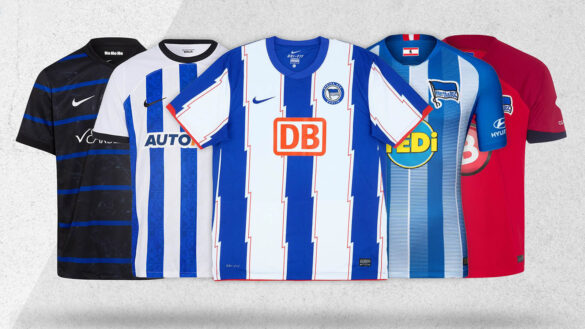
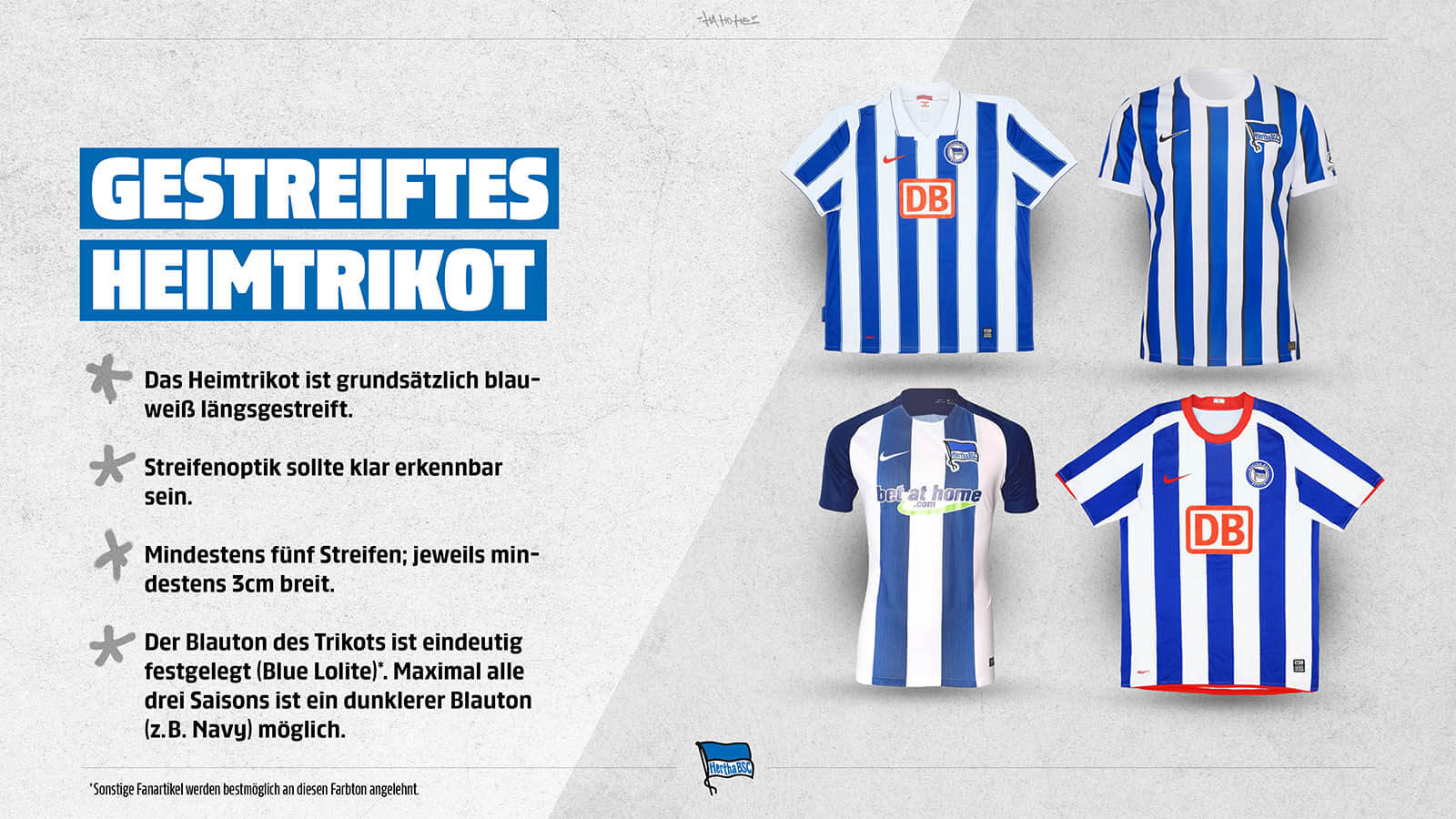
The home jersey retains a basic blue-and-white vertical-stripe identity. Away and third shirts receive their own colour and design framework. That gives the discussion more substance than a general request to respect tradition.
A designer still has decisions to make. The point is to establish which elements should remain recognisable while those decisions are made. A boundary can help creativity by making the problem clearer.
Why the Flag Matters
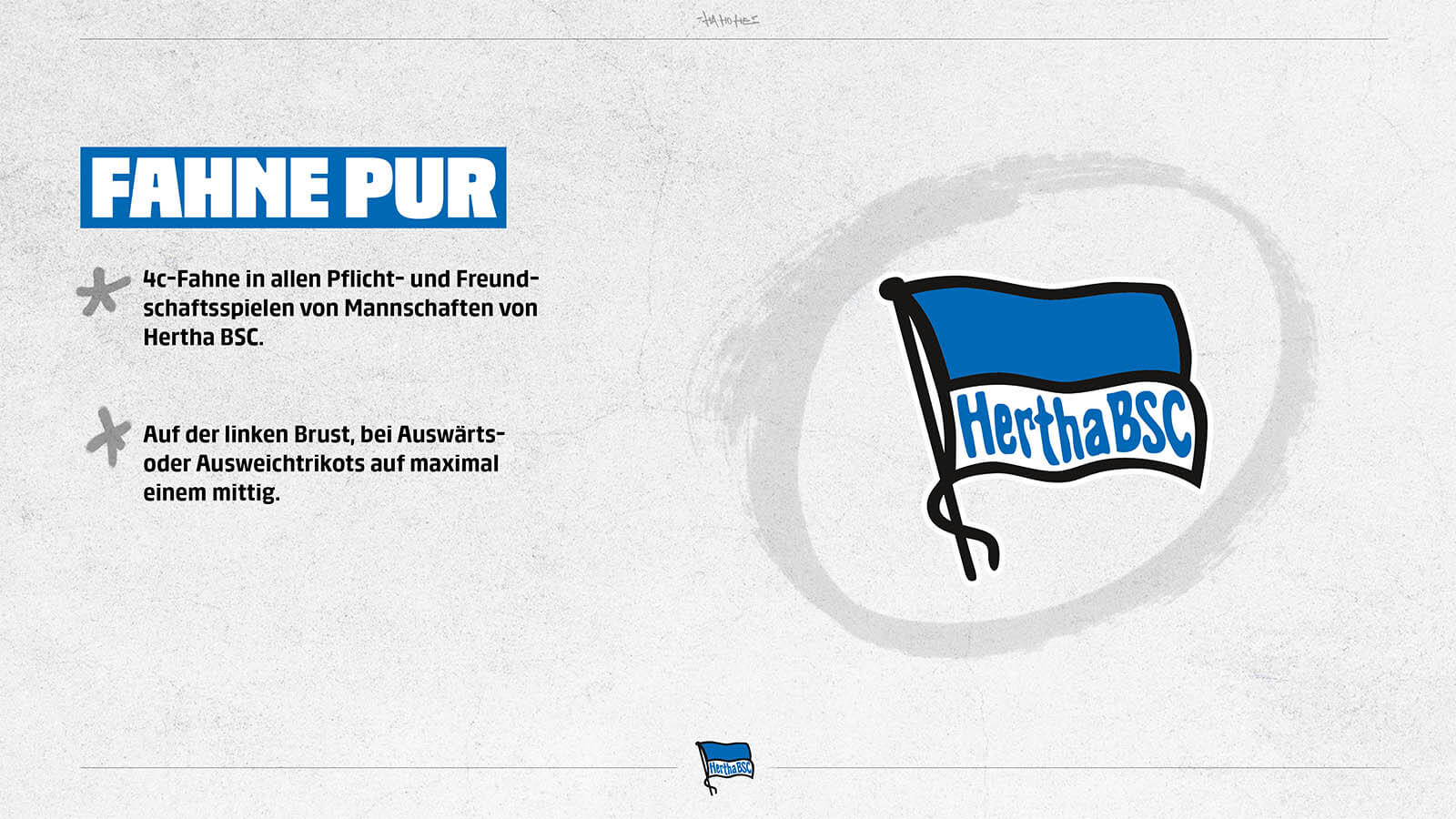
Hertha gives particular importance to the Fahne pur: the traditional blue-and-white flag. The club’s announcement says it should generally appear in that familiar form on official playing kit.
This separates the central symbol from the surrounding design. A collar can change, a pattern can evolve and a supplier can introduce a different construction, while the flag continues to provide a stable point of recognition.
For supporters, that stability can be emotionally important. The shirt is a commercial product, but the crest is also an everyday marker of belonging. Treating the two as identical design decisions can miss why some changes create such strong reactions.
What Is Going to the November Meeting?
The club says its board has brought a proposed constitutional amendment to the forthcoming November members’ meeting. The proposal concerns formally anchoring the flag principle on official playing kit.
As of this article’s research date, a proposal is not the same as an adopted constitutional rule. Reporting should preserve that distinction. The manifesto and the amendment process are related, but they should not be silently collapsed into one completed legal change.
That distinction is also what makes the story worth following. It gives supporters a concrete governance question: should part of a club’s visual identity sit within its formal rules, and how much design flexibility should remain?
Does Tradition Leave Space for Experimentation?
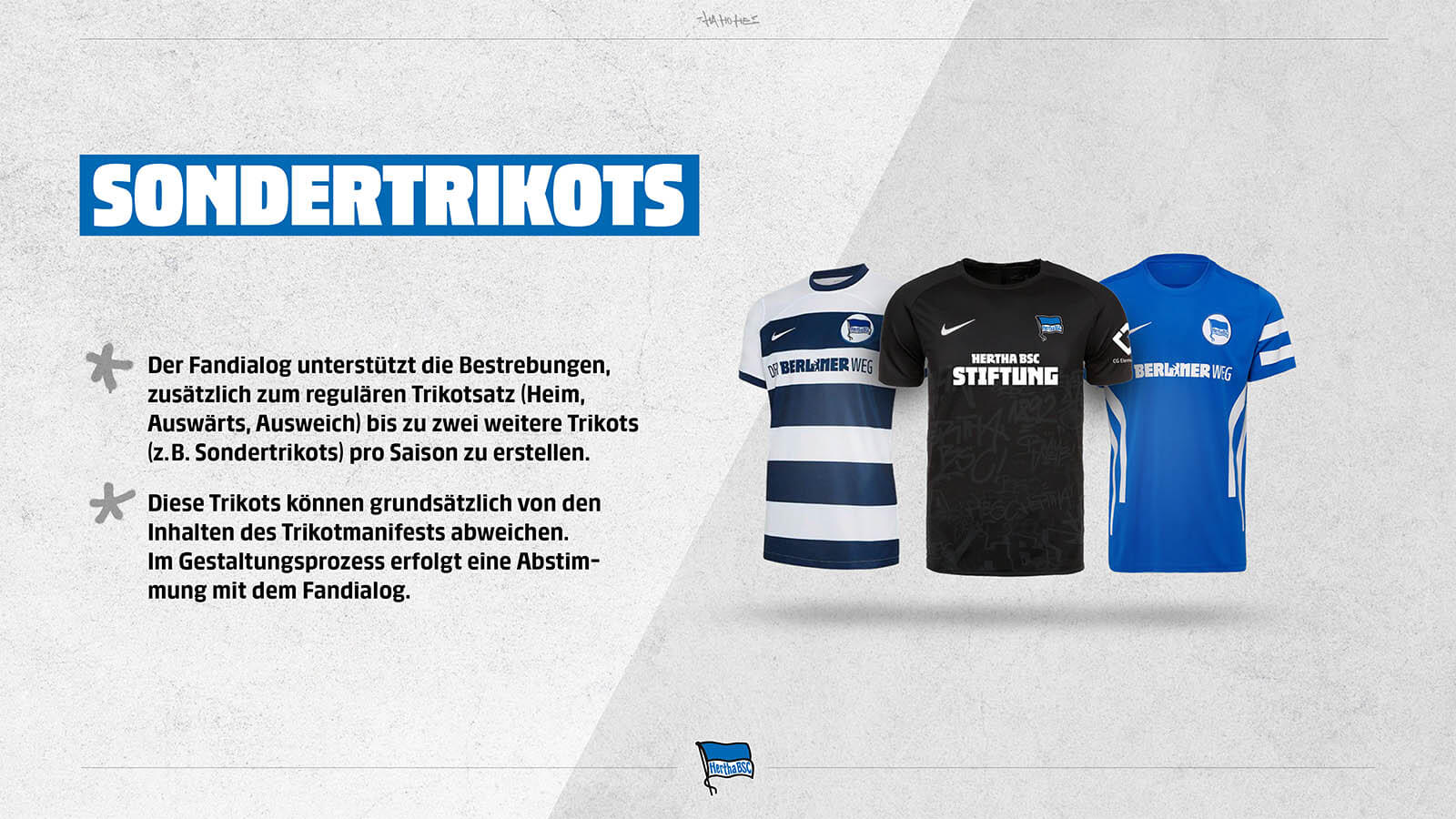
The official explanation explicitly says the approach should not restrict design freedom more than necessary. It also distinguishes official playing kit from other merchandise, special shirts and particular occasions.
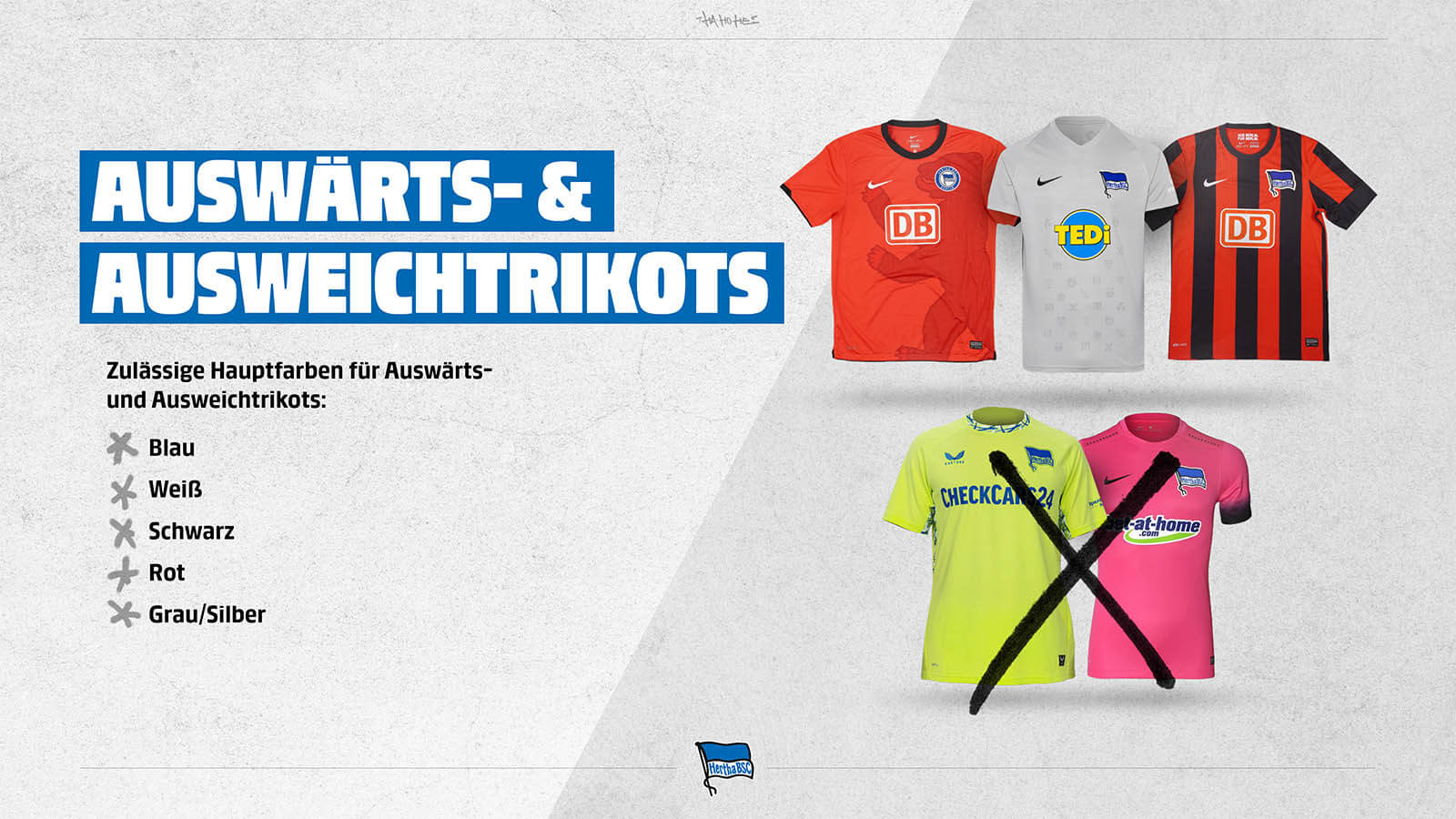
Specialist coverage reproduces separate guidelines for home shirts, the flag, away and third colours, and special releases. Read together, those categories suggest a structured compromise rather than a demand that every jersey look the same.
That is a useful model for a broader soccer debate. A club can protect a core visual identity while giving designers somewhere appropriate to experiment. The difficult part is defining those categories clearly enough that supporters understand the trade-off.
Expert Verdict: Better Questions Make Better Design
The strongest feature of the manifesto is the shared process. It gives supporters and club staff a common reference before a new shirt arrives, when the discussion can still influence the brief.
It also acknowledges that shirts have commercial and distribution requirements. That matters: a useful framework must work in the real world of kit production, rather than exist only as an ideal supporter sketch.
The risk is excessive rigidity. A checklist can preserve recognisable details while still producing an uninspired shirt. Written rules cannot replace good judgement about proportion, typography, texture and the relationship between the parts.
Our verdict is that the manifesto is valuable as a starting point for discussion. Its success will become clearer through the actual shirts and decisions it helps produce.
Technical Details
| Club | Hertha BSC |
|---|---|
| Document | Trikotmanifest / kit manifesto |
| Official announcement | 22 October 2026 |
| Participants | Member and supporter representatives, with club staff |
| Home identity | Blue-and-white vertical stripes |
| Core symbol | Traditional blue-and-white Fahne pur |
| Next step at research date | Related amendment proposed for November members’ meeting |
Sizing and Fit
The manifesto is a design framework, not a garment size guide. For a Hertha shirt, consult the exact season and version’s measurements. Do not infer fit from the diagrams shown here. Al'sportswear can assist with height, weight and garment comparisons when checking a specific sourcing request.
Collector Verdict
This is an unusual collecting story because the significant object is partly a document. The manifesto gives future shirts an additional context: they can be understood as designs made within an explicitly discussed identity framework.
It may also change how a collector compares seasons. Instead of asking only whether a particular shirt looks attractive, ask what it preserves, what it changes and whether the change makes sense for that category.
The manifesto does not make existing Hertha shirts scarce, nor does it guarantee future value. Its significance is cultural and procedural: supporters are helping articulate what a shirt should continue to represent.
Frequently Asked Questions
What is the Hertha kit manifesto?
A shared set of principles intended to guide future home, away and third jersey development.
Who helped develop it?
Hertha says representatives from member and supporter circles worked with club staff.
What happens to the home stripes?
The official explanation preserves the basic blue-and-white vertical-stripe identity.
What does Fahne pur mean here?
It refers to Hertha’s traditional blue-and-white flag symbol.
Has the constitutional amendment already passed?
The official October announcement describes a proposal for the forthcoming November meeting. Adoption was not verified at the research date.
Does it ban creative special shirts?
No. The official explanation preserves room for other treatments on special shirts, merchandise and particular occasions.